

Primus Brass Stove - Babour
- Product Code: Primus Brass Stove - Babour
- Availability: In Stock
-
$1,355.00
- Ex Tax: $1,355.00
PRIMUS BRASS STOVE A/B – (Babour) Arabic
All prices are in Australian Dollars (AUD $)
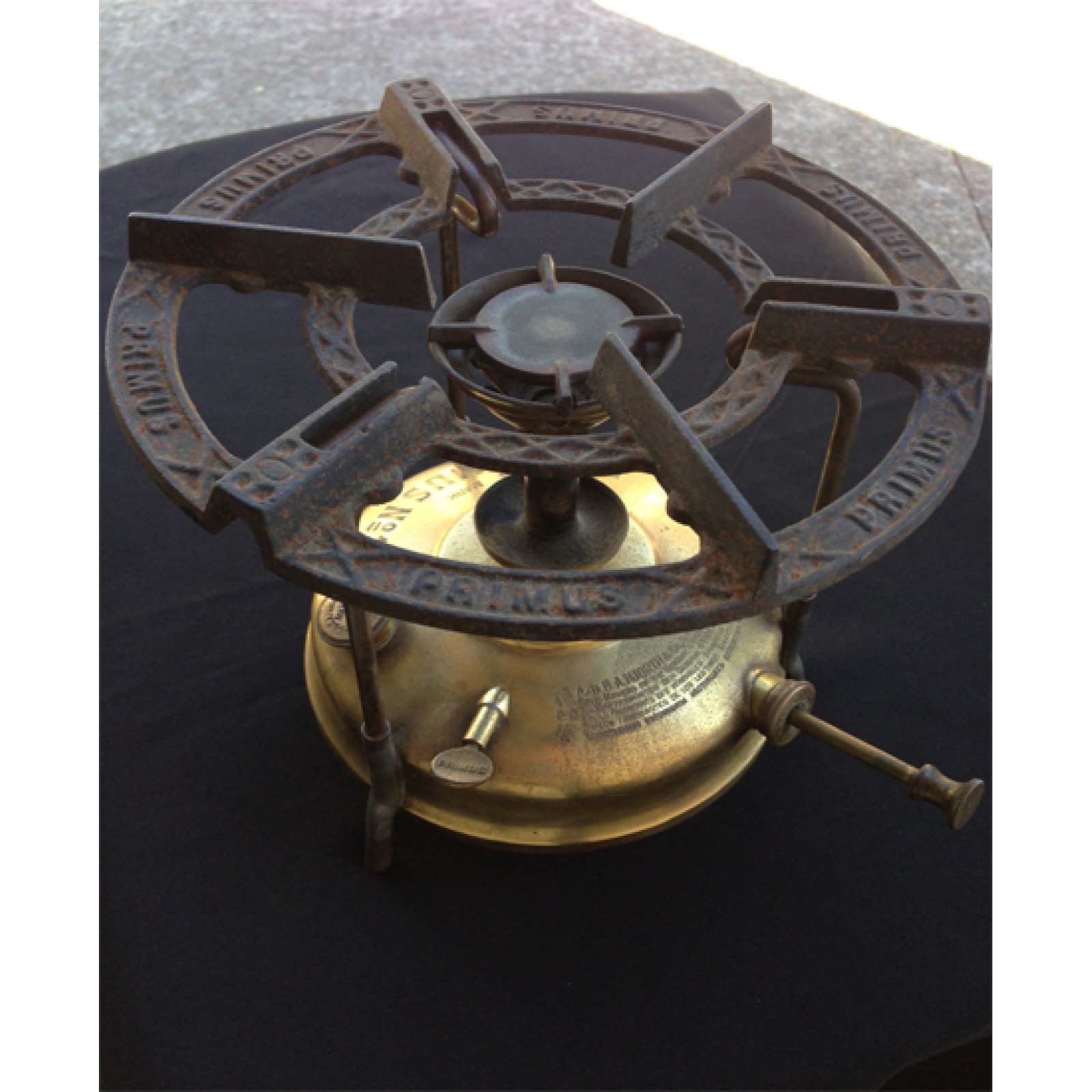
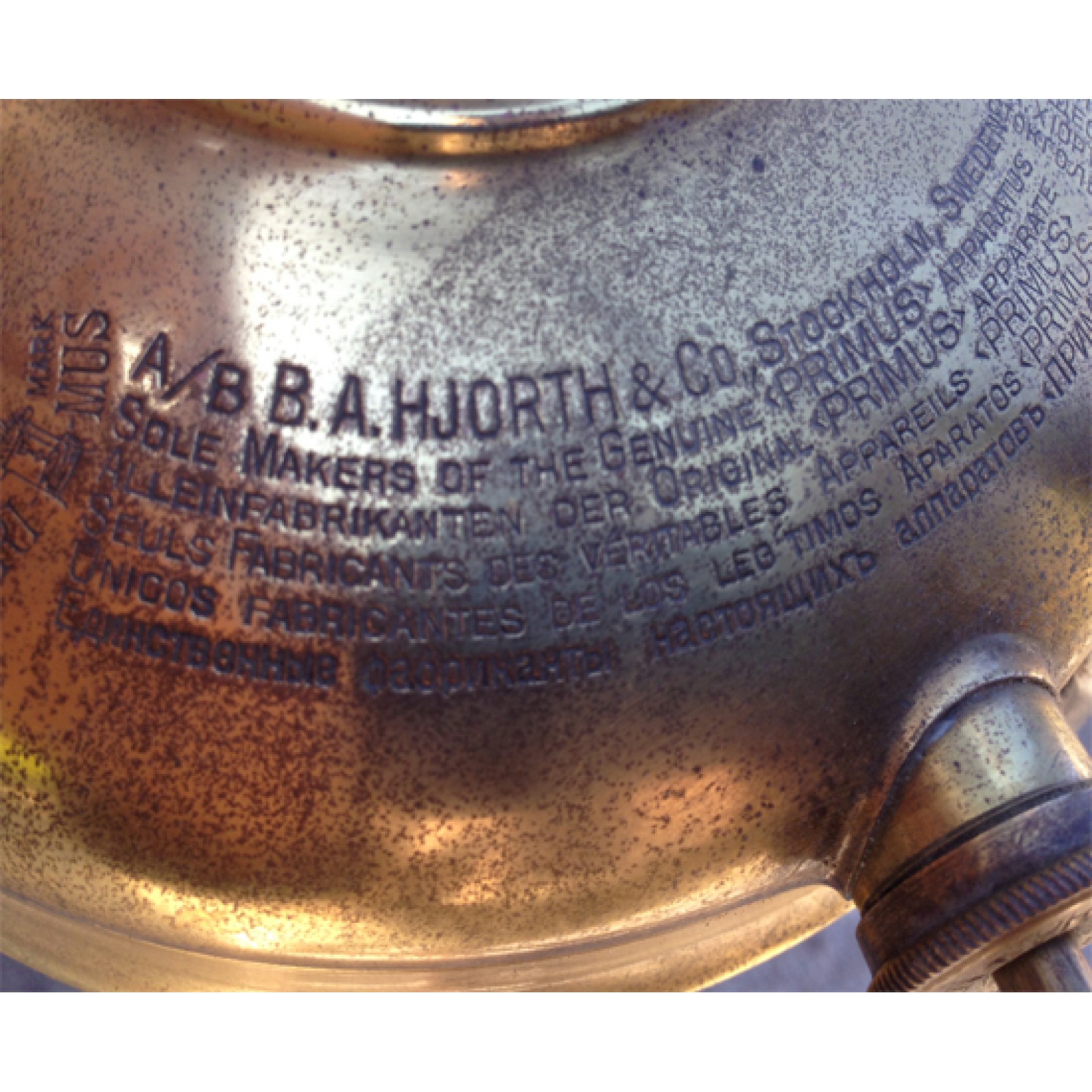
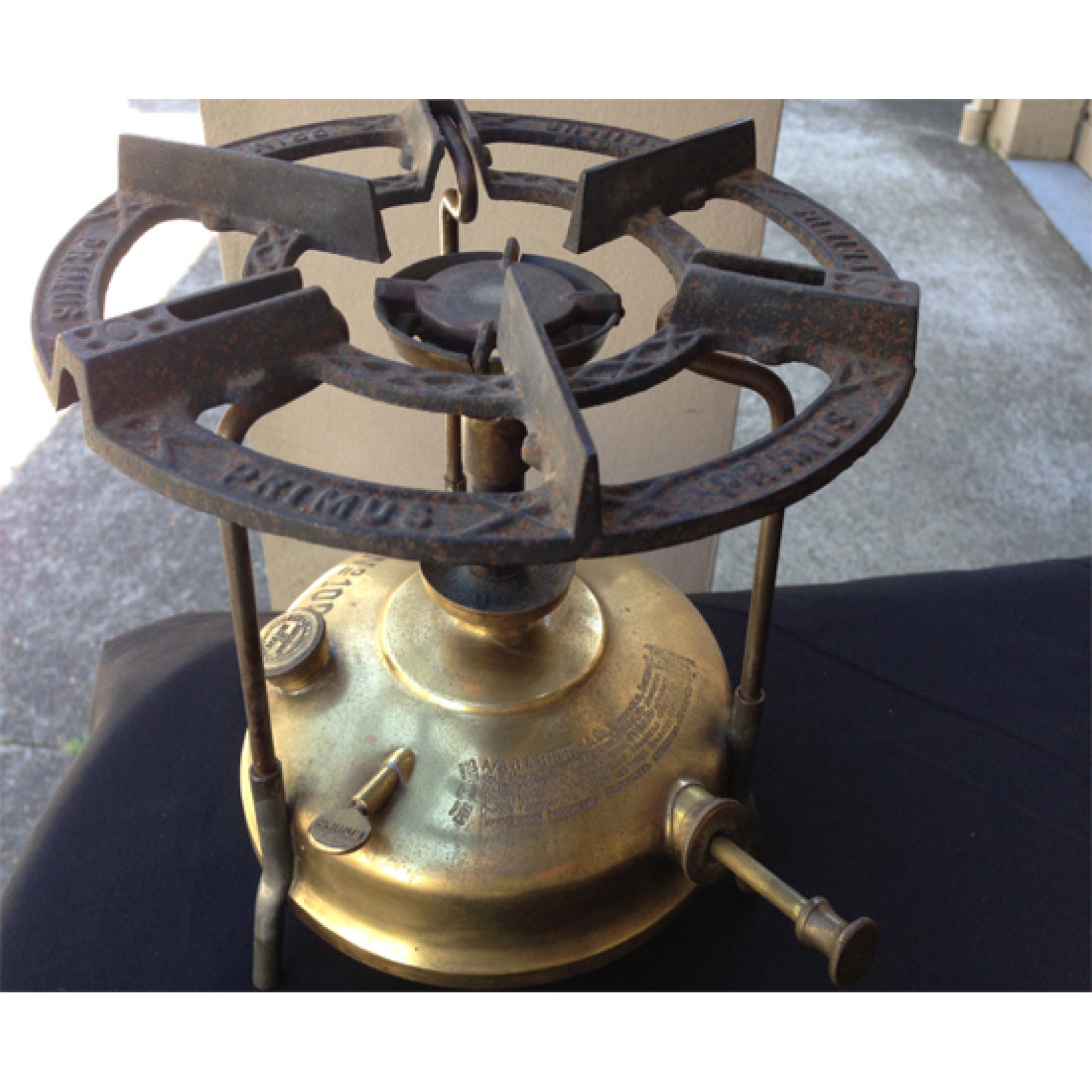
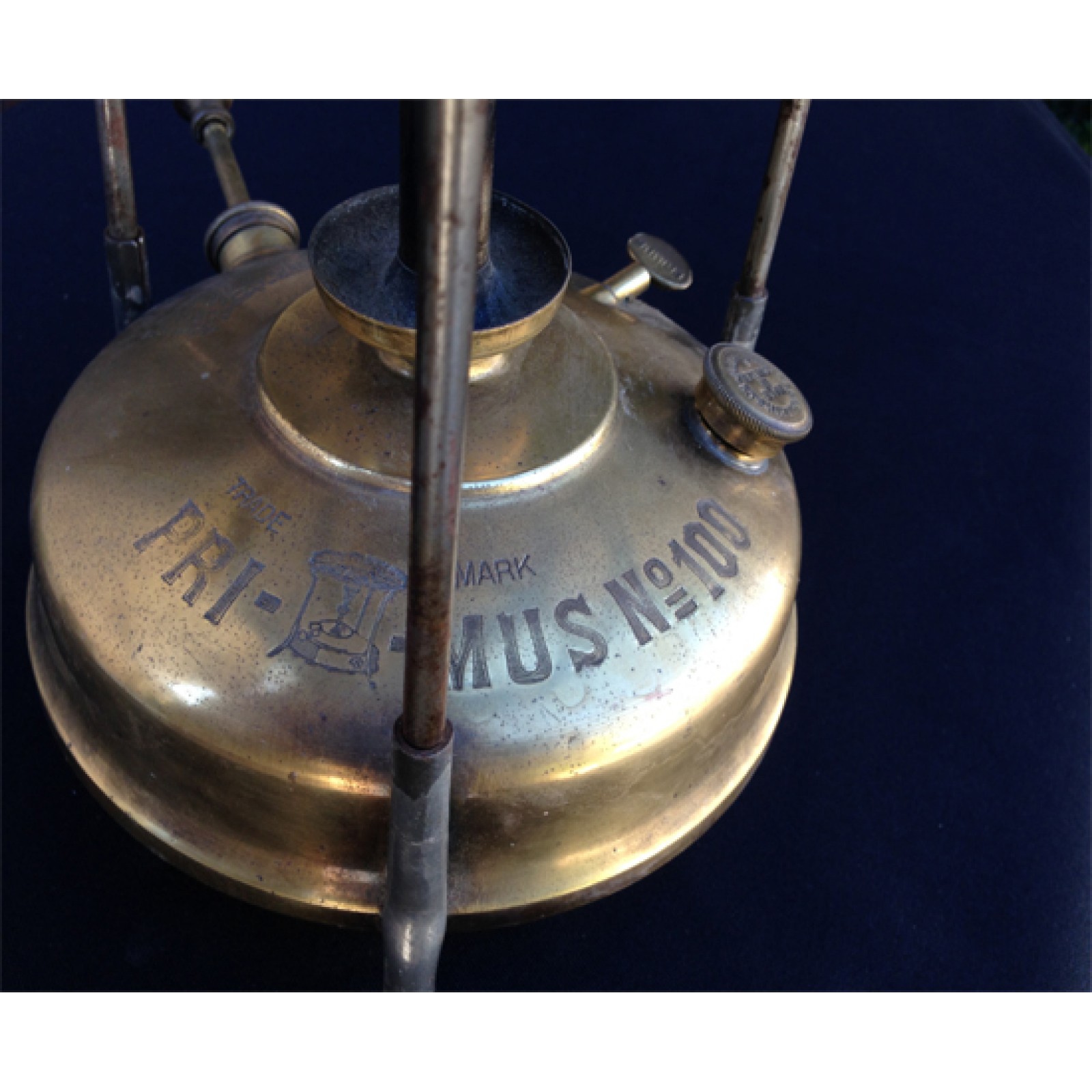
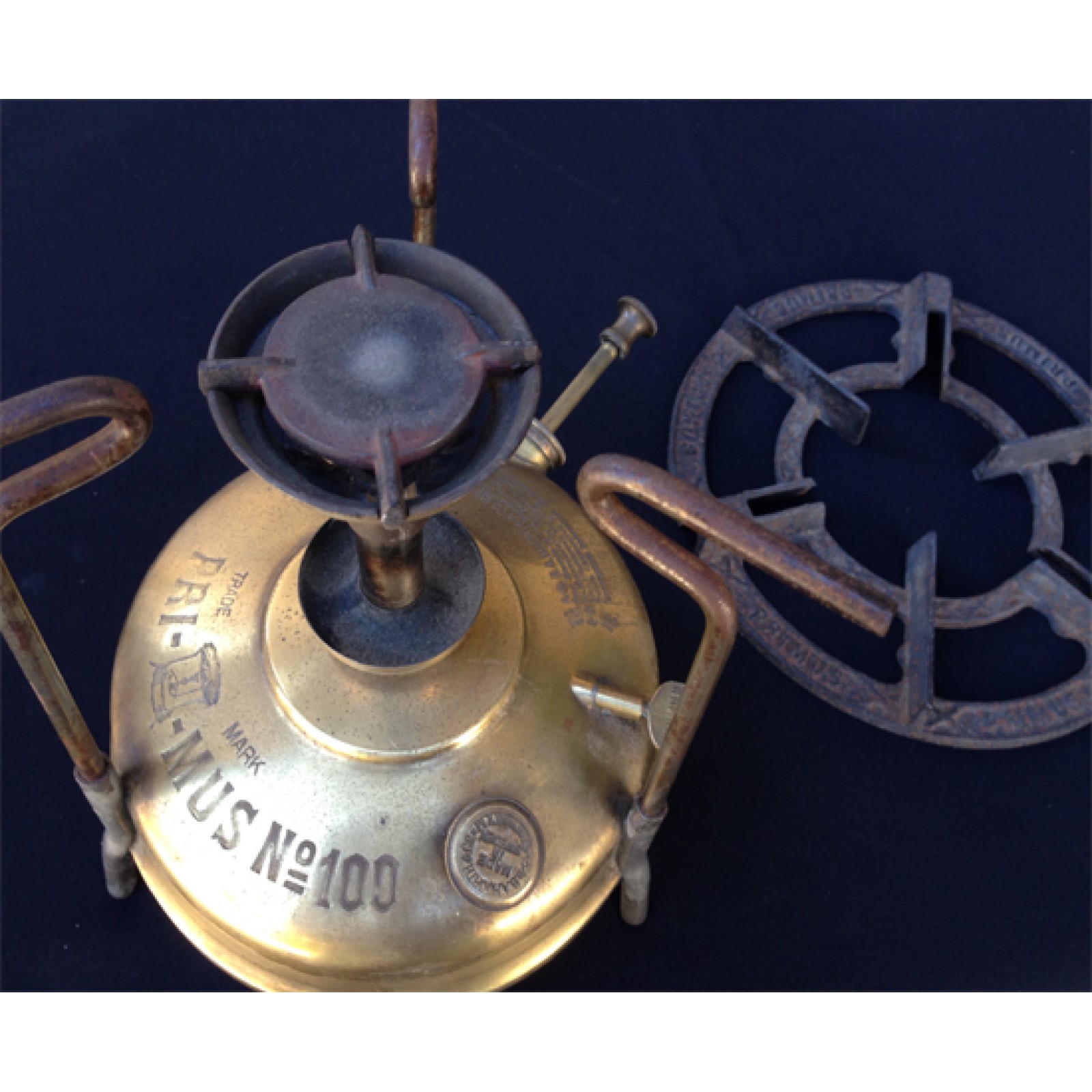
Experience a piece of industrial heritage with this exceptional Primus No. 100 brass pressure stove — fully functional, brand-new, and never used. Crafted in Sweden by the renowned manufacturer B.A. Hjorth between 1900 and 1950, this one-off stove represents the pinnacle of early 20th-century engineering and design.
Also suitable for commercial and home use, this stove is ready for cooking today, combining heritage, practicality, and timeless style.
Function and Operation
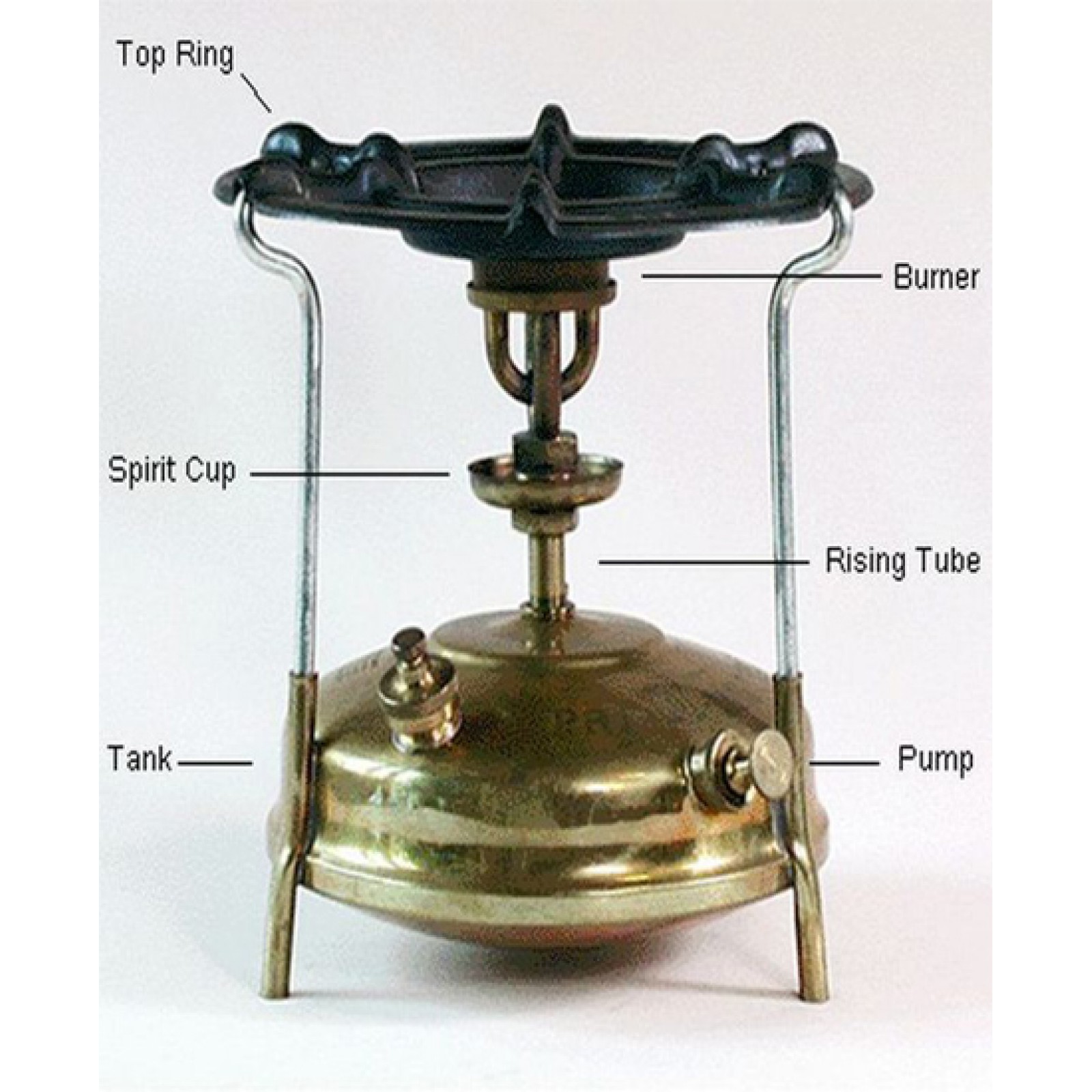
This stove runs on kerosene (paraffin), which is poured into the brass tank as the main fuel. Because kerosene does not ignite easily when cold, the burner must first be preheated:
- Preheat the Burner: Pour a small amount of methylated spirits (denatured alcohol) into the preheating cup beneath the burner and light it.
- Pressurise: Pump the built-in mechanism a few times to create pressure in the fuel tank.
- Light the Stove: Open the fuel valve, then hold a match or lighter near the top of the burner. The kerosene vapour will ignite, producing a steady blue flame, similar to lighting a home gas stove.
- Adjust the Flame: Use the fuel valve to control the flame intensity for cooking or heating.
- Safety Tip: Only use kerosene in the tank and methylated spirits in the preheat cup. Never leave the stove unattended while lit.
Why This Stove is Special
- Commercial & Home Use: Fully functional and ready to cook with today.
- Rare and Well-Preserved: Examples in unused, working condition are extremely rare.
- One-Off Item: This exact stove will not be repeated.
- Durable and Functional: Solid brass tank, heavy cast-iron trivet, and efficient kerosene operation.
- Collector’s Appeal: Perfect for collectors, industrial design enthusiasts, or anyone who appreciates early 20th-century craftsmanship.
A Piece of Everyday History: Known as Primus among Egypt’s European community and Babour locally, this stove was a daily essential for both domestic and commercial use. In a time when electric and gas stoves were unaffordable luxuries, the Primus became indispensable for cooking, heating, and bathing.
Many Egyptians remember filling a large aluminium drum with cold water, placing it atop the Primus to boil, and using the hot water for daily baths. Remarkably, the Primus (or Babour) is still in use today across many Egyptian villages, a testament to its durability and practicality.
Purchase online or call us to order and pay by phone via National Bank EFTPOS. Receipt sent by SMS text message.
FREE delivery within Australia ONLY.
If you can collect the item in person from Bowral, NSW, a generous discount is available — contact us for details.
- Manufacturer: B.A. Hjorth, Sweden
- Material: Old-World Brass
- Model: No. 100
- Condition: Original, Brand New, Unused, Fully Functional
- Height: 20 cm
- Base Diameter: 18 cm
- Top Ring Diameter: 21 cm
Note on Rarity and Value: Although the Model No.100 was produced in significant numbers, examples in unused, original condition are extremely rare today. This stove represents a unique convergence of function, condition, and provenance, making it valuable both as a functional kitchen appliance and a collector’s display piece.
History of the Primus Stove: The first pressurised-burner kerosene (paraffin) stove was developed in 1892 by Frans Wilhelm Lindqvist, a factory mechanic in Stockholm, Sweden. Based on the hand-held blowtorch, Lindqvist’s design directed the burner upwards and was soon manufactured commercially under the Primus name, in partnership with Johan Viktor Svenson.
B.A. Hjorth & Co. (later Bahco) acquired exclusive rights to sell Primus stoves, which quickly earned a reputation for reliability and durability — chosen by explorers such as Fridtjof Nansen, Roald Amundsen, Richard Byrd, Mallory, Tenzing, and Hillary.